Tax planning
Business and personal tax decisions often overlap. Review the tax-planning questions that may need to be coordinated with your broader plan.
Explore tax planning
Our Services
Business-owner planning examines how business cash flow, taxes, retirement resources, estate documents, and a future transition fit together. The work is coordinated around the decisions in front of an owner, including how business and personal obligations interact. Priorities, timing, and trade-offs vary by ownership structure, family circumstances, and the needs of the business.
Connected Planning
These planning areas overlap. Use the resources below to explore the questions that may be relevant to your situation.
Business and personal tax decisions often overlap. Review the tax-planning questions that may need to be coordinated with your broader plan.
Explore tax planningA business can be one part of retirement preparation, alongside personal resources, timing decisions, and ongoing income needs.
Explore retirement planningOwnership, beneficiary choices, and continuity planning can create estate-planning questions that merit coordinated review.
Explore estate planningExplore the connected questions that can arise across business ownership, taxes, retirement, estate planning, and insurance.
Read the planning guideHow We Help
We help business owners organize the planning decisions that connect the company with the household:
01
We review how business income, liquidity needs, personal spending, and reserves relate, so planning conversations consider both sides of the balance sheet.
02
Tax planning can affect business decisions, personal income, charitable goals, and a future transition. We identify planning questions to review alongside a tax professional, recognizing that tax treatment and trade-offs depend on individual circumstances.
03
Retirement planning considers the role of business value, ongoing compensation, personal savings, and the timing of a potential transition. Plan design and contribution decisions involve administrative requirements and should be evaluated in context.
04
Estate documents, ownership arrangements, beneficiary decisions, and succession plans should be reviewed together. This coordination can clarify decision-makers and responsibilities if an owner dies, becomes disabled, retires, or transfers ownership.
05
A transition review may cover valuation questions, tax considerations, timing, ownership transfer options, and the personal planning decisions that follow a sale or handoff. A proposed approach should be evaluated with appropriate legal and tax counsel.

FAQs

Why It Matters
A business and a household are often financially connected. Coordinating the questions around taxes, retirement, estate planning, and a future transition can make it easier to identify dependencies, decisions, and professional conversations that may be needed.
Get Started TodayOur Services
Comprehensive planning, customized to each client.
Turning a portfolio into a paycheck.
Funding school without derailing retirement.
Strategies aligned to your goals and risk tolerance.
Protecting and transferring your legacy.
Tax efficiency built into every decision.
Coverage sized to real exposure.
Get started
We serve clients well beyond Texas. Start with a complimentary thirty-minute conversation — no cost, no obligation.
Start the conversation
Ankerstar Wealth
Upcoming Events
We host events almost every week. Come on out to see what we are about!
Check our calendar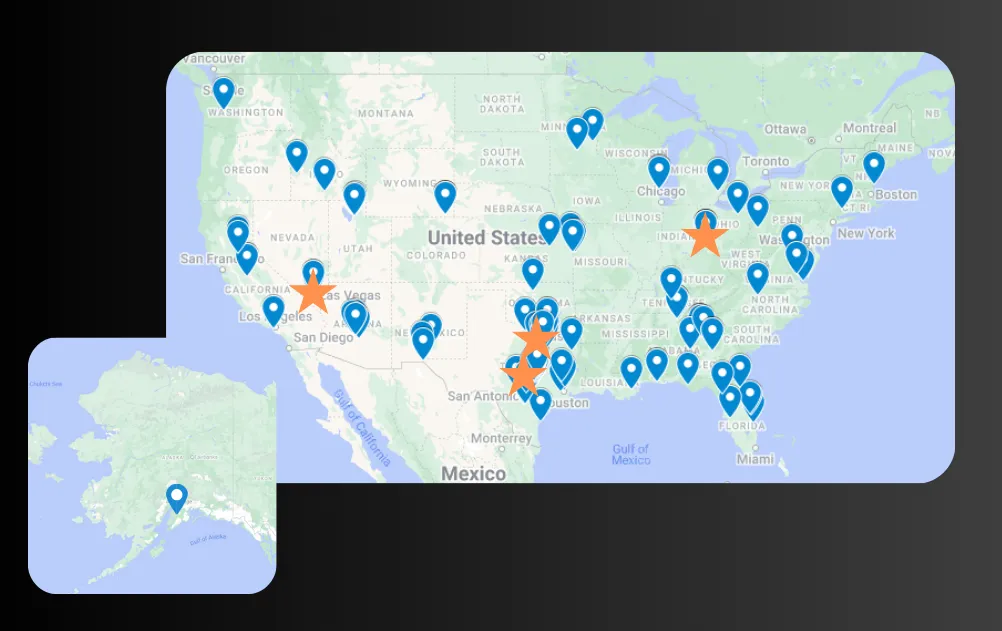

Thank you for expressing your interest in Ankerstar Wealth! Allison will personally reach out within 24 hours at allison@ankerstarwealth.com.